Trusted Radon Mitigation in Cleveland
Ensure your family's health and safety in Cleveland, North Carolina, with professional radon mitigation from AmeriSafe Water & Air. Our services effectively reduce radon levels, providing a safer living environment for Cleveland residents.
- Guaranteed Safe Levels
- Expert Installation
- Proven Results
- Custom System Design
- Licensed Professionals
- Cost-Effective Solutions


Comprehensive Radon Mitigation for Cleveland Homes
AmeriSafe Water & Air offers top-tier radon mitigation services in Cleveland, North Carolina. Our sophisticated systems manage radon gas efficiently, ensuring a healthier indoor environment. Our certified technicians use the latest technology to design and install radon removal systems tailored according to the specific needs of your Cleveland property.
With over 30 years of experience, we are dedicated to providing superior mitigation systems and incorporating innovative strategies that consistently achieve proven and cost-effective results. We guarantee professional craftsmanship and a commitment to quality.
Trust us to reduce your radon levels while enhancing the quality of life for you and your family.
Common Radon Mitigation FAQ’s
Got Questions About Radon?
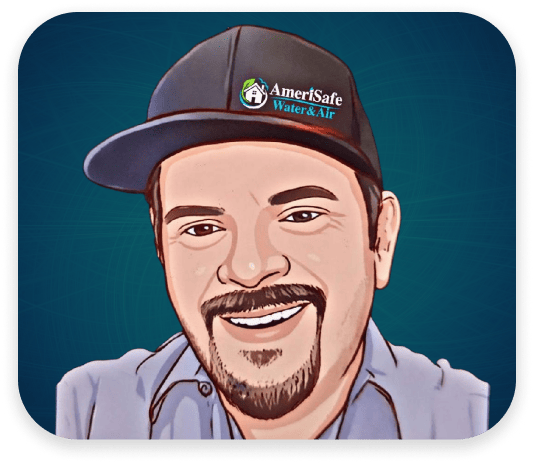
Ask Duke!
Don’t worry! Duke is your one-stop shop for all things water and air. He’ll dive deep into your most burning FAQs, leaving no stone unturned in our quest to empower you with knowledge. So, sit back, relax, and let Duke be your guide on this journey of service exploration!
Got a question not answered here? Send it straight to Duke, and he will tackle it head-on!
Our Mitigation Process in Cleveland
Contact Us
Schedule your consultation for radon mitigation system installation.
Quote & Schedule
Our technicians will inspect your property and create a custom system plan.
System Installation
Our technicians will install your new mitigation system and ensure it is working properly.
Facts About Radon
What homeowners in North Carolina need to know about the potential dangers of radon gas exposure.
Cause of lung cancer after smoking
Radon is a tasteless odorless gas from radioactive decay
Homes in North Carolina state test high for radon
What Our Customers Say About Our
Radon Services
Very helpful guys!
Very knowledgeable!
Great people!
Wonderful people to work with, they take their time explaining everything to you, including costs, and answer any questions you may have. Highly recommended!!
Excited to have these products installed in my house to help keep my family safe! Products are easy to understand what they do and how they can help. Also the price is very fair!



AmeriSafe provides top notch customer service from start to finish. They were very knowledgeable and patient in explaining everything and answering all my questions throughout the testing and treatment process. I highly recommend them!

Understanding Radon Concerns in Cleveland
Geological Influences on Radon Levels in Cleveland
Situated in North Carolina, Cleveland faces unique geological conditions that can contribute to elevated radon levels, making regular testing and effective mitigation essential for the community.
Areas Prone to High Radon Levels in Cleveland
Neighborhoods such as Bear Poplar and Mount Ulla may experience higher radon levels due to soil characteristics and the age of homes, necessitating proactive radon mitigation efforts.
Impact of Cleveland’s Climate on Radon
The temperate climate of Cleveland, characterized by warm summers and cool winters, can affect indoor radon concentrations, requiring dynamic mitigation strategies for effective control.
Community Radon Awareness Initiatives in Cleveland
Cleveland is actively engaged in increasing public awareness of radon risks, promoting regular testing, and supporting robust mitigation efforts to safeguard the health and safety of all residents.
Serving Central North Carolina with Trusted Water and Air Solutions
At AmeriSafe Water and Air, we proudly serve communities throughout Central North Carolina, focusing on improving the quality and safety of your water and indoor air. Strategically based in Salisbury, we cover areas within an 80-90 mile radius, ensuring fast, reliable service to homes and businesses across the region. Our dedicated team offers expertise across a broad range of services, tailored to address the unique environmental challenges of this area.

Why AmeriSafe Is The Top Choice In The Southeast
Experience the pinnacle of radon mitigation services with our commitment to safety and customer satisfaction!
Discover why homeowners, homebuyers, realtors, and property managers consistently choose us to meet their radon needs and transform their properties into safe havens:
Highly Certified. Expert Quality
With over 30 years of experience, our skilled team offers unmatched expertise and insight, delivering quality craftsmanship in every project.


Locally Owned & Operated
We are deeply invested in the well-being of our community, offering personalized, friendly service.
Top-Notch Customer Service
Work 1-on-1 with our team of highly experienced technicians, getting expert answers to every question.


Secure Your Home in Cleveland With A Radon Mitigation System Today
Invest in the health and safety of your loved ones with AmeriSafe Water & Air’s expert radon mitigation services. Trust our certified professionals to provide reliable and efficient systems tailored to your home and family needs.